

Antarctic
Jun 2026
APPG visits the British Antarctic Survey in Cambridge
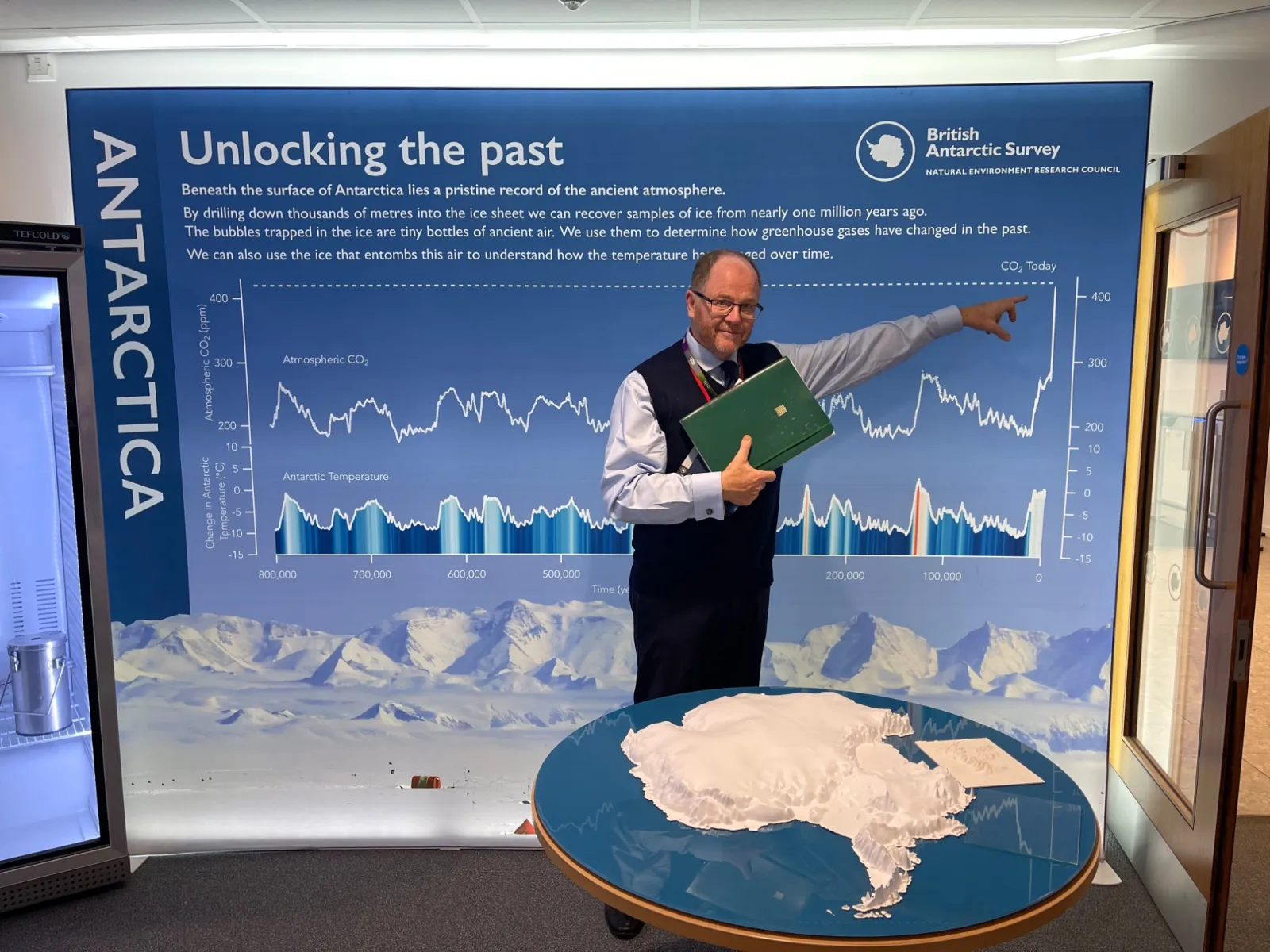
In June 2026, parliamentarians from the APPG for the Polar Regions visited the British Antarctic Survey (BAS) headquarters in Cambridge for an insight into the UK's world-leading polar science, research and operational capabilities.
The visit was an opportunity to see first-hand the work of an organisation internationally recognised for outstanding interdisciplinary research across the Arctic and Antarctic. Based in Cambridge, with highly skilled scientists and support teams working in some of the most remote and extreme environments on Earth, BAS plays a vital role in advancing our understanding of the planet and the critical importance of the polar regions.
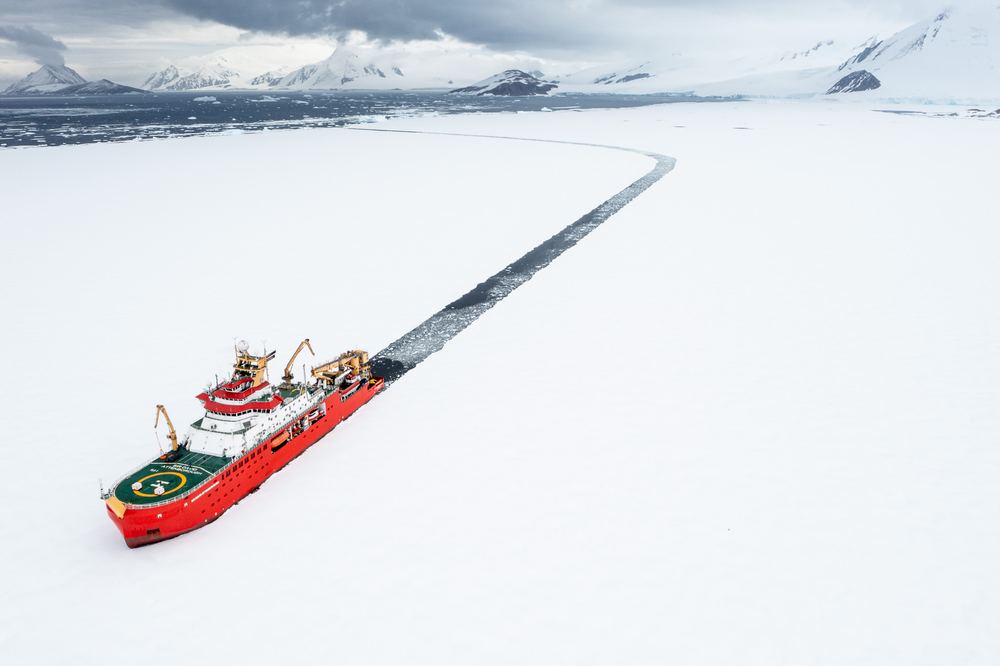
Parliamentarians were given an insight into the extensive scientific research undertaken by BAS, the specialist equipment and machinery used in the field, and the changes its teams are witnessing across the polar regions.
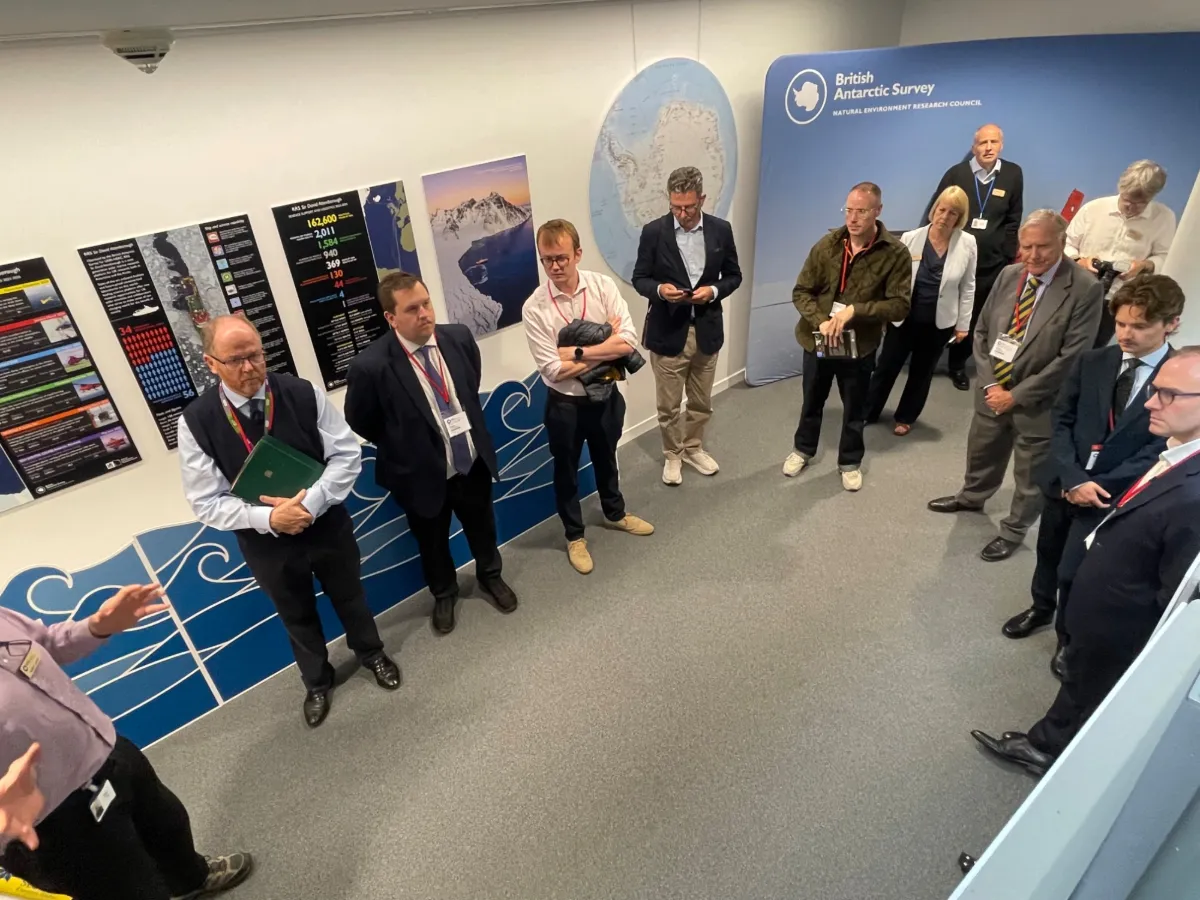
The visit also provided an opportunity to discuss the growing importance of polar science to climate change, ocean systems, biodiversity, conservation, tourism, geopolitics and national security. BAS provided scientific and operational perspectives that are essential to informed parliamentary debate.
A national asset
The visit highlighted the contribution BAS makes to the UK's international standing and national interests. Its decades of experience operating in remote polar environments provide valuable expertise to the Foreign, Commonwealth and Development Office and the Department for Science, Innovation and Technology.
Through scientific evidence, operational logistics and policy advice, BAS helps the UK maintain an active and influential presence in Antarctica, supporting the Antarctic Treaty system, upholding British interests and contributing to the UK's wider international role.
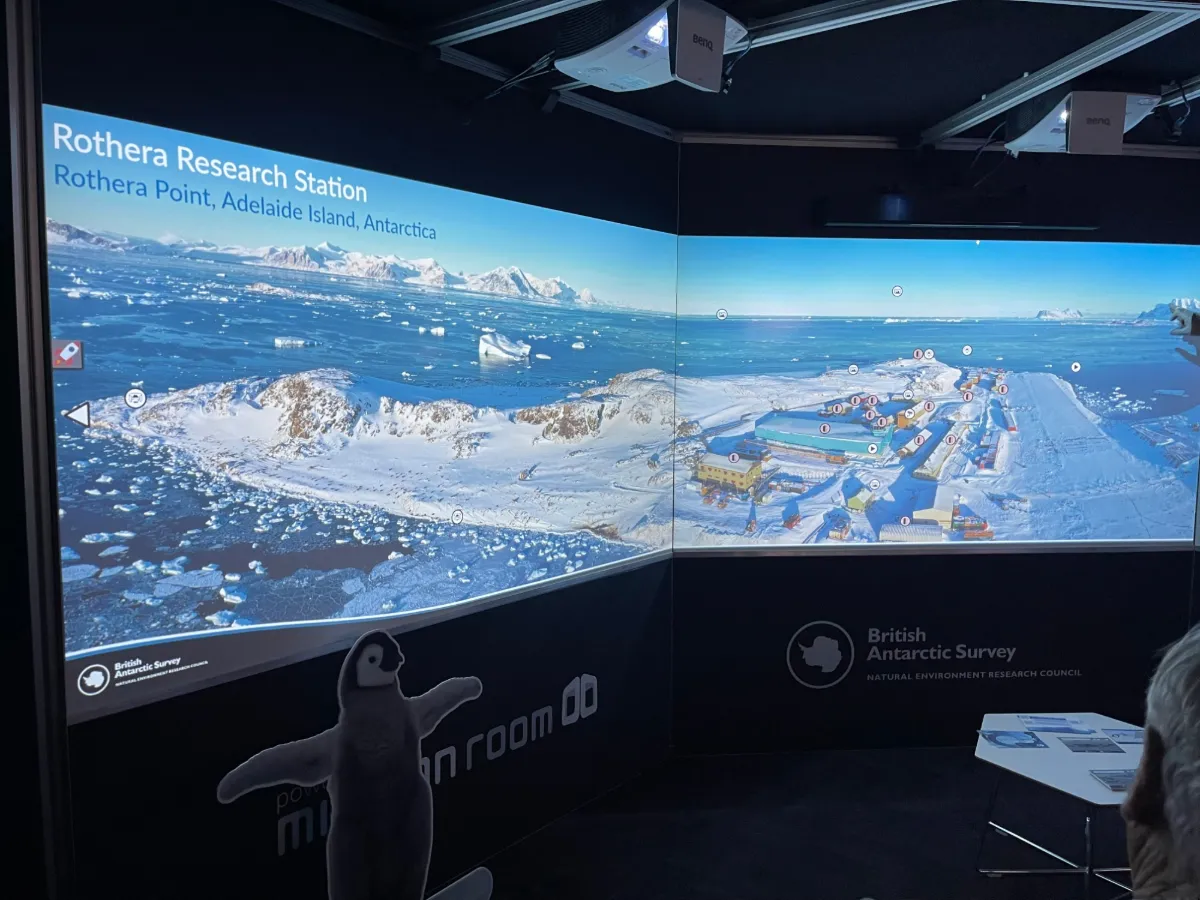
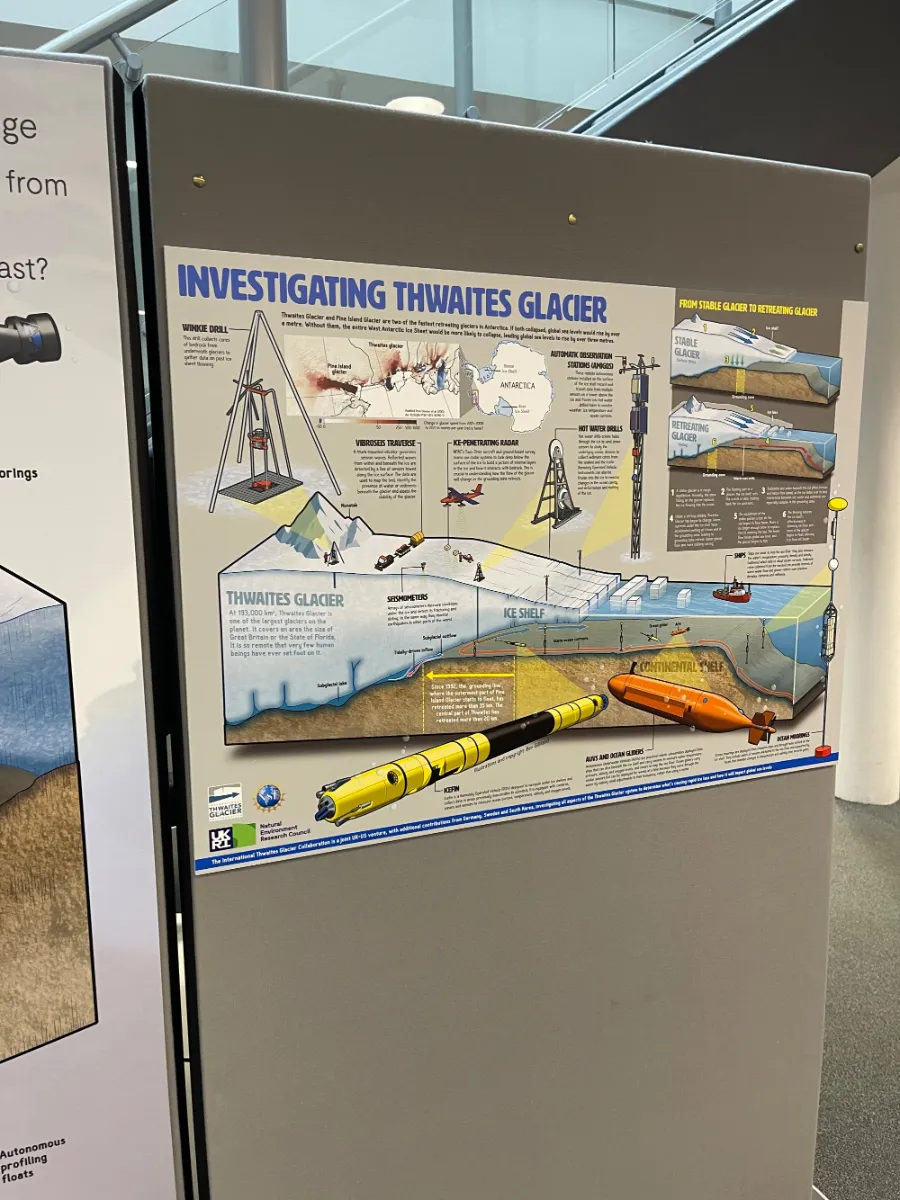
Its research into ice sheets, ocean currents and biodiversity provides essential data for the UK's international climate commitments and informs countries around the globe. This level of expertise helps shape food production and economic stability.
Beyond the polar regions, BAS's work extends into space weather research, helping to protect satellites and supporting the work of the Met Office and the European Space Agency. Its development of advanced, AI-driven technologies further demonstrates the breadth of its scientific capabilities.
The visit was a valuable reminder that BAS is much more than a world-leading research institution. It is a critical national asset, combining scientific excellence, operational expertise and international collaboration to help the UK understand and respond to some of the most significant challenges of our time.
Related post


Keep Up To Date
Copyright APPG for the Polar Regions 2026.
Design by Base Camp Studios