

Polar Notes
Oct 2026
Reykjavík 2026: the APPG at the Arctic Circle Assembly
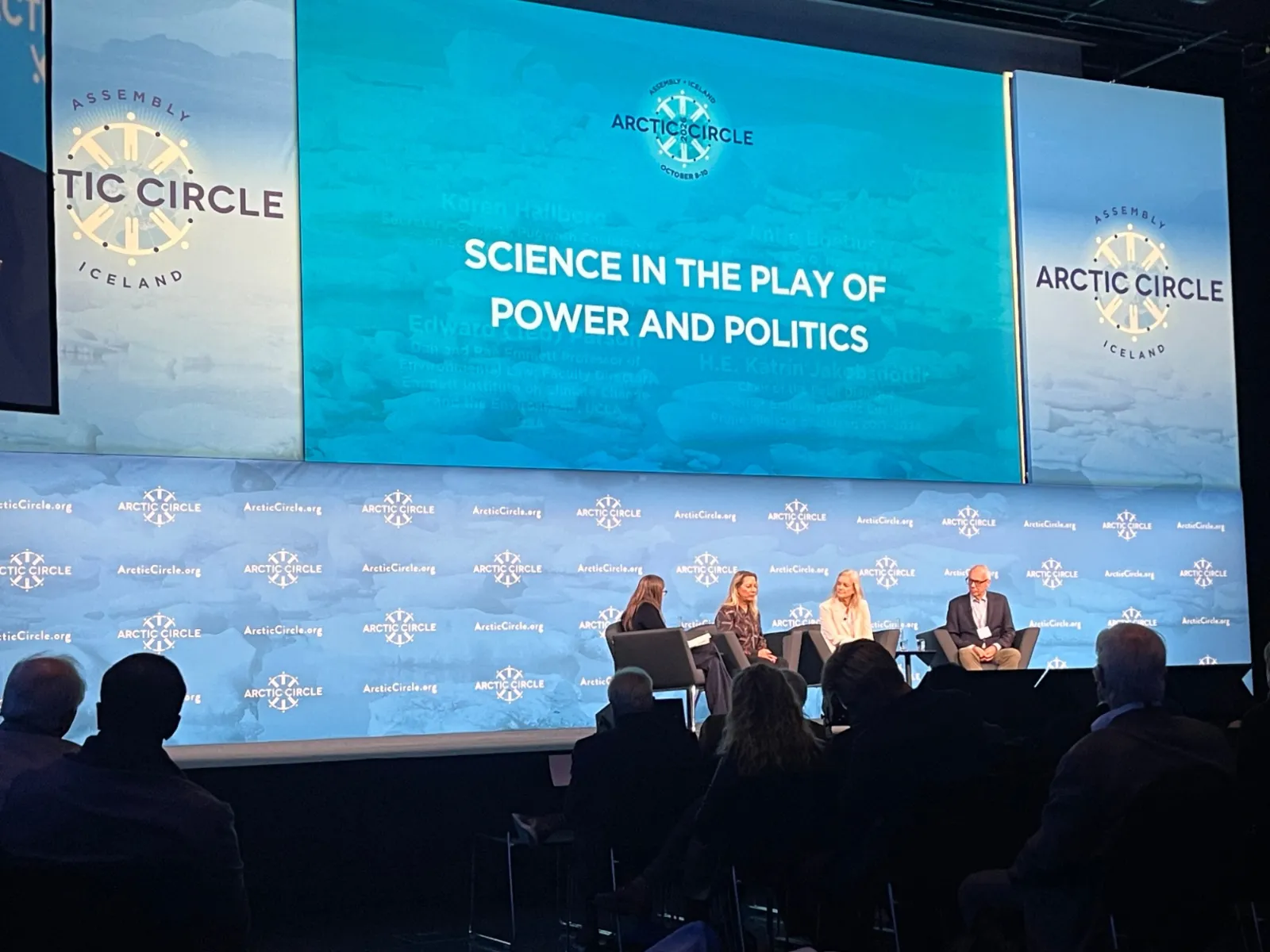
Three days, 2,300 attendees, 700 speakers and 200 sessions: the 2026 Arctic Circle Assembly brought the world’s Arctic conversation to Reykjavík from 8 to 10 October. For the APPG for the Polar Regions, re-established earlier this year, it was the first chance to carry the Group’s work beyond Westminster.
Who went
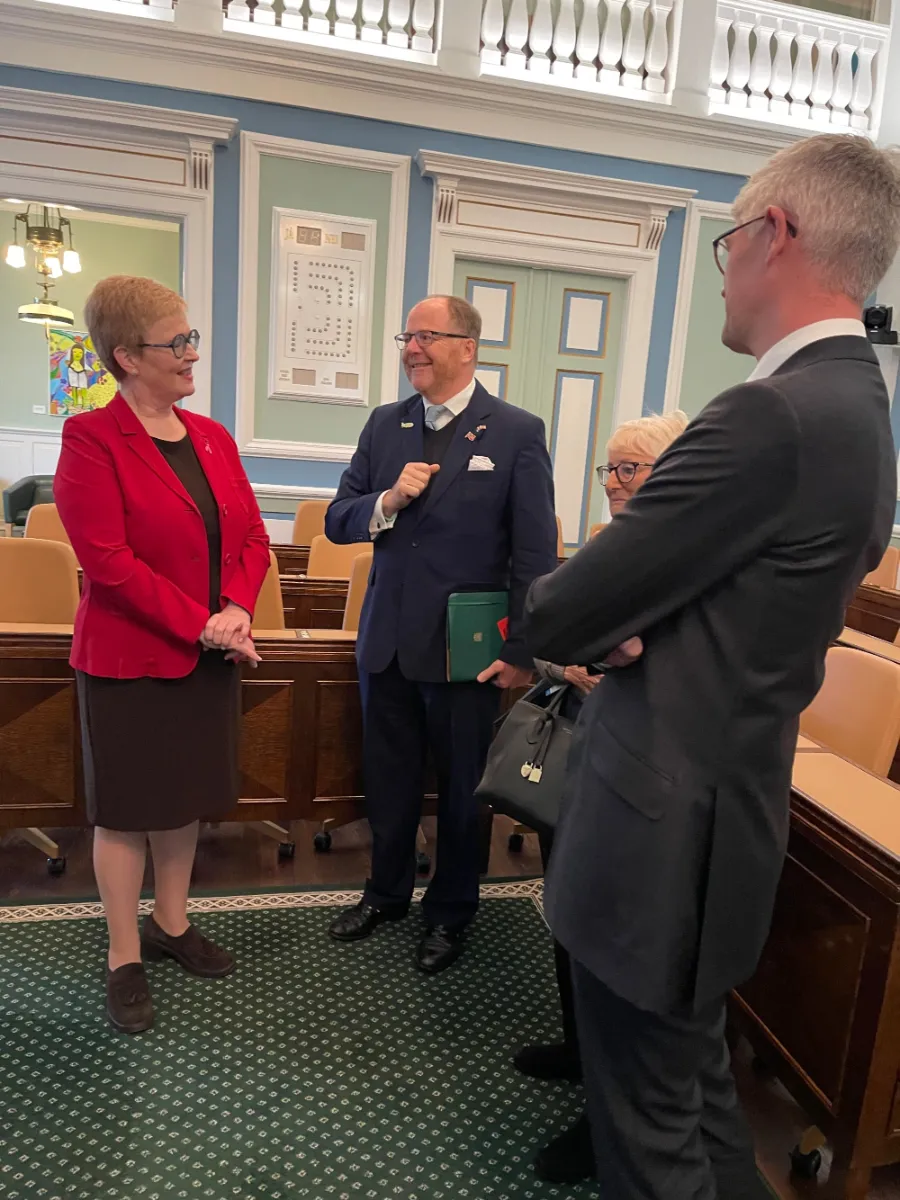
The APPG delegation was led by our Chair, George Freeman MP, alongside Liberal Democrat Europe spokesperson Al Pinkerton MP and former Security Minister Baroness Neville-Jones, with polar explorer Ben Saunders and Morgan Alexander Ip of Arctic Research and Development. Fiona Walker, who supports the Group’s work, joined the delegation.
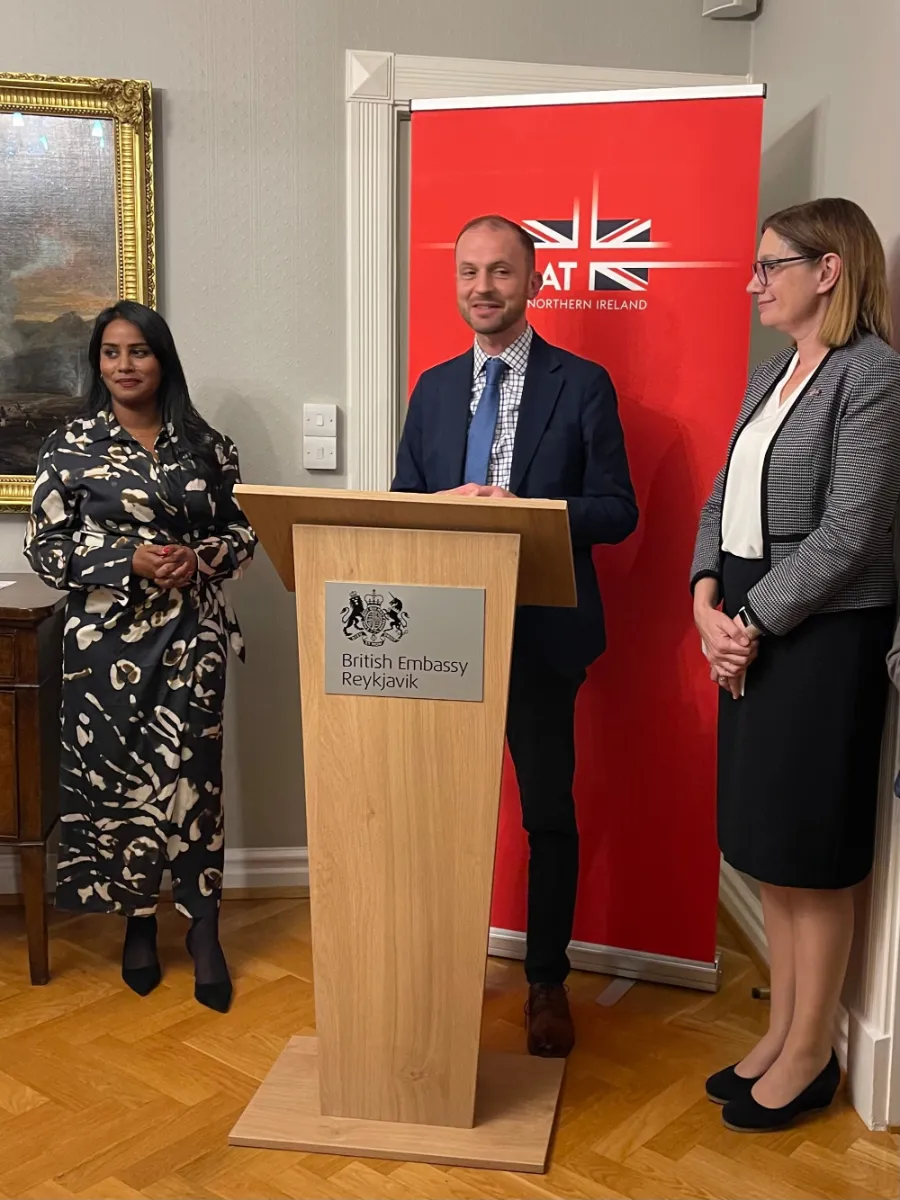
A packed programme included meetings with Icelandic parliamentarians and Nordic representatives, the new UK Ambassador to Iceland, Jane Stevens, FCDO Minister Uma Kumaran, Scottish External Affairs Minister Stephen Gethins and Canada’s Arctic Ambassador, Virginia Mearns. The Speaker of the Althingi, Þórunn Sveinbjarnardóttir, extended a warm welcome to the APPG, followed by a meeting with members of Iceland’s Foreign Affairs Committee and Nordic parliamentary representatives on shared Arctic priorities. It renews a relationship that goes back some years: the APPG hosted an Icelandic delegation in 2016.
What we heard
The Assembly is the largest annual gathering on Arctic affairs, and this year’s programme showed how quickly the region’s agenda is widening. Sessions ranged across Arctic security, conservation, shipping and deep-sea mining, and the growing interest of countries outside the region, China and other Asian states among them, and, notably, Turkey.
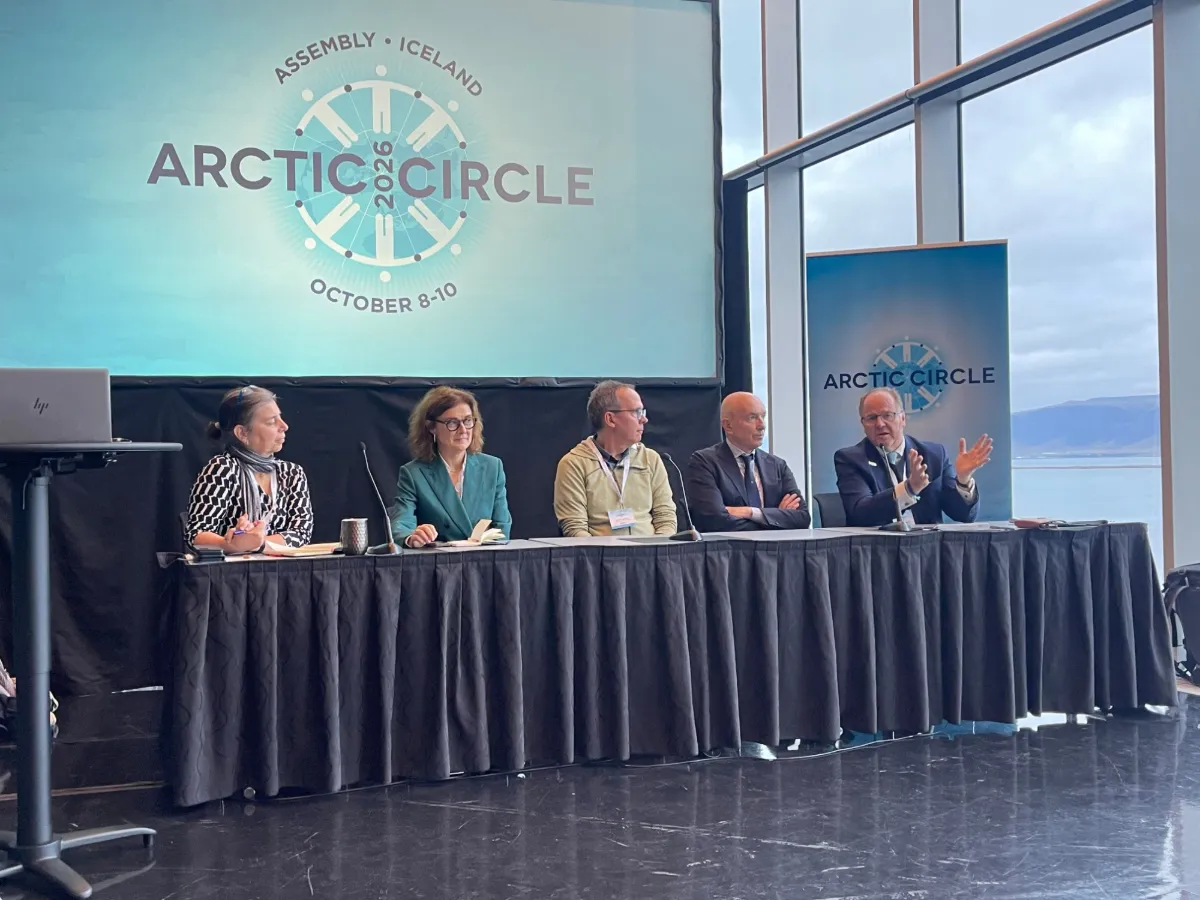
Much of it mapped directly onto the three areas the renewed Group has chosen to focus on.
Polar science and planetary change
One of the most sobering sessions looked beyond the Arctic altogether. On 26 August, a glacier collapse high in Nepal’s Langtang range, close to the border with China, sent a torrent of ice, rock and water roughly 100 kilometres down the Bhote Koshi and Trishuli valleys. It swept away the Rasuwagadhi border crossing, hydropower schemes, bridges and roads, and killed hundreds of people. It is the deadliest disaster of its kind on record in Nepal.
The lesson for Parliament is a direct one. The world’s ice is a connected system, and the science that helps us understand it is the same whether it is done in Svalbard, Antarctica or the Himalaya, often called the Third Pole. How ice behaves as it warms is not a specialist concern. It is a question of infrastructure, security and human life.
Geopolitics, diplomacy and security
Security ran through the programme, including sessions on hybrid threats and information warfare in the High North. As the ice retreats and new routes open, the Arctic is testing whether rules and institutions designed for a frozen, remote region can hold as more countries take an interest. For a country that describes itself as the Arctic’s nearest neighbour, those questions matter to the UK directly.
Parliament-to-parliament relationships are part of the answer. Time with Icelandic colleagues, Nordic representatives and Canadian officials is how a cross-party group builds the understanding that formal diplomacy depends on.
Technology, innovation and data
The commercial Arctic was well represented, through the Arctic Circle Business Forum and sessions on shipping and seabed resources. Debates on deep-sea mining, and on proposals to slow sea-ice loss through climate intervention, showed how far technology now shapes both the opportunities and the risks in the region, and how much depends on the quality of the science and governance around it.
One message came through clearly throughout the Assembly: the Arctic matters to us all. It is not a distant or isolated wilderness, but a region at the heart of some of the defining issues of our time: international security, economic competition, energy, biodiversity and the future of our climate. As international interest grows, legitimate economic and security interests must not come at the expense of its extraordinary and fragile natural environment.
What comes next
Reykjavík confirmed what the Group set out when it was re-established this year: the polar regions sit where science, security and technology meet, and Parliament needs a reliable way to follow all three. Over the coming months the APPG will work with its new External Polar Advisory Board, relaunch its Polar Notes briefings and set out a programme of events in Westminster.
To follow the Group’s work or get involved, get in touch.
Related post




Keep Up To Date
Copyright APPG for the Polar Regions 2026.
Design by Base Camp Studios